Walking 10,000 Steps Daily But Knees Still Hurt? Here's Why (And What Actually Works)
6+ Years Exp
Important Medical Disclaimer
The information provided in this article is for educational purposes and is quite generic. While general clinical guidelines are often helpful, they cannot replace a professional medical diagnosis. We strongly advise you to consult with a certified physiotherapist or doctor before attempting any home treatments or exercises described here.
The Paradox of the 10,000-Step Tracker
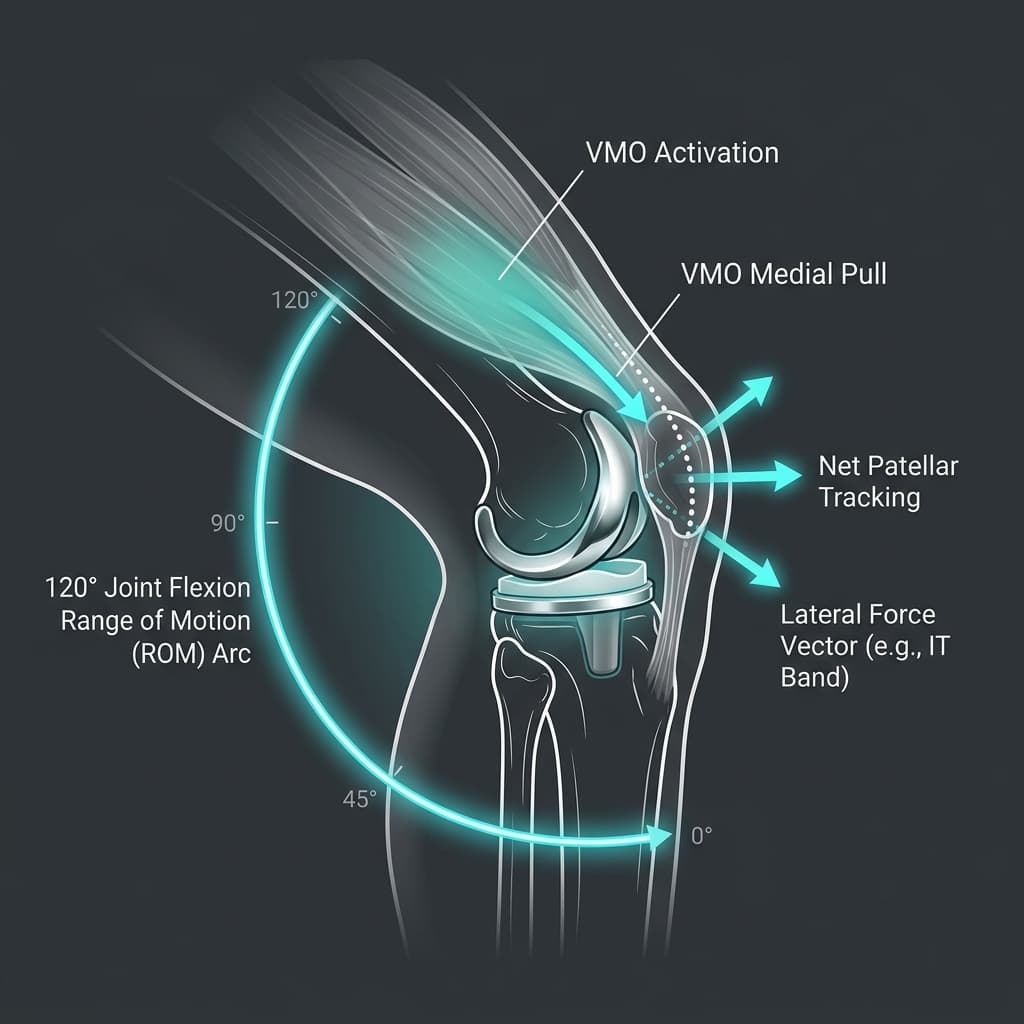
Walking is celebrated worldwide for cardiovascular health and calorie burn. But when patients in Hyderabad develop knee pain, they often double down on their daily step count believing it will "oil the joints." In reality, if your patella (kneecap) tracks improperly in the femoral groove, taking 10,000 repetitive steps is equivalent to rubbing sandpaper against cartilage 10,000 times a day.
Why Walking Does Not Build Muscle
Walking is an endurance cardiovascular activity, not a muscle-building stimulus. It produces minimal hypertrophy in the vastus medialis obliquus (VMO), the crucial inner quadriceps muscle responsible for keeping the kneecap centered. If your glutes and quads are weak, the impact of every heel strike travels directly into your articular cartilage and meniscus.
The Solution: Trade 2,000 Steps for 15 Minutes of Strength
Instead of forcing a painful 10,000-step march, reduce your walk to 6,000 comfortable steps and invest 15 minutes into targeted joint stabilization:
- Straight Leg Raises (SLR): Lie flat, lock your knee completely straight, and lift your leg 30 degrees. Hold for 5 seconds to fire the quadriceps without joint grinding.
- Wall Sits with Ball Squeeze: Lean your back against a smooth wall in a shallow quarter-squat, squeezing a soft pillow or pilates ball between your knees to activate the VMO and adductors.
- Calf & Hamstring Flexibility: Stretch tight gastrocnemius muscles that pull the knee into compensatory hyperextension.
Condition Overview
Common Symptoms
- Sharp or diffuse ache around or under the kneecap (patellofemoral pain)
- Crepitus, popping, or sandpaper grinding sound when bending knees
- Stiffness and swelling that worsens after an evening walk around the colony park
- Difficulty descending stairs without clutching the handrail
Why It Occurs (Causes)
- Patellar maltracking caused by an underactive vastus medialis obliquus (VMO)
- Overpronation of the foot collapsing the knee inward (valgus collapse)
- Repetitive impact without muscular shock absorption from weak hip abductors
How To Avoid It (Prevention)
- Reduce walking volume temporarily and substitute with low-impact cycling or swimming
- Perform isometric terminal knee extensions with an elastic resistance band
- Strengthen the gluteus medius with side-lying clam shells
- Wear supportive footwear with cushioned medial arch support
Questions Answered In This Article
Physiotherapy is a natural, hands-on approach to healing that helps you live pain-free without relying heavily on medication or surgery. At Athletlance, we don't just treat the symptoms; we take the time to find the root cause of your pain—whether it's a pinched nerve, weak muscles, or stiff joints—so you can safely get back to doing what you love.
A standard session usually lasts between 45 to 60 minutes. We never want you to feel rushed, so this gives us plenty of time to carefully assess your progress, perform hands-on therapy, and guide you through your exercises at a pace that feels right for you.
Because every body heals differently, there is no one-size-fits-all answer. Some minor strains feel better in just 2 to 3 sessions, while post-surgery rehab or stroke recovery takes several weeks of consistent care. After your first assessment, we will give you a clear, honest timeline of what to expect for your specific journey.
Every patient's healing journey is unique. If you are in severe pain, we might suggest daily sessions for the first few days to bring you quick relief. For long-term rehab, 3 times a week is standard. During your first visit, we will sit down with you and design a recovery schedule that fits both your healing needs and your daily life.
Related Recovery & Rehab Guides
Workstation Ergonomics & Tech-Neck Relief Guide for IT Professionals in Madhapur & Hitech City
Suffering from cervical stiffness, mouse shoulder, or lower back strain from long coding hours? Practical ergonomic fixes and desk stretches for tech professionals in Madhapur, Mindspace, RaiDurg, and Financial District.

Pelvic Floor Physiotherapy: What Every Indian Woman Must Know
Experiencing urine leakage when laughing? Pelvic pain after delivery? These are not 'normal'. Discover how private female physiotherapy can restore pelvic floor function safely at home.
Badminton & Cricket Shoulder Injuries: Complete Recovery Guide for Hyderabad Athletes
Suffering from shoulder pain after playing badminton or cricket? Discover the exact physiotherapy protocol to heal rotator cuff injuries and safely return to your sport in Hyderabad.