Badminton & Cricket Shoulder Injuries: Complete Recovery Guide for Hyderabad Athletes

7+ Years Exp
Important Medical Disclaimer
The information provided in this article is for educational purposes and is quite generic. While general clinical guidelines are often helpful, they cannot replace a professional medical diagnosis. We strongly advise you to consult with a certified physiotherapist or doctor before attempting any home treatments or exercises described here.
The Weekend Warrior Problem in Hyderabad's IT Hubs
Walk past any apartment complex in Kondapur, Gachibowli, or Hitech City on a Saturday morning and you will find dozens of IT professionals playing badminton, cricket, or football with intense enthusiasm — despite sitting at a desk for 50 hours a week. This combination of sedentary weekdays and explosive weekend sports is a recipe for shoulder injuries.
The shoulder is the most complex joint in the body — a ball-and-socket joint that prioritizes mobility over stability. It is supported entirely by four small muscles called the rotator cuff. When these muscles are weak (from sitting at a desk) and then suddenly subjected to powerful overhead smashes or cricket bowling actions, the result is predictable.
Common Shoulder Injuries We Treat
- Rotator Cuff Strain/Tear: The supraspinatus muscle (top of the cuff) is most vulnerable in overhead sports. Causes pain lifting the arm sideways.
- Subacromial Impingement: Tendons get "pinched" in the narrow space below the acromion bone with every overhead movement.
- AC Joint Sprain: Direct blow to the shoulder tip (common in cricket fielding dives) separating the clavicle from the acromion.
- SLAP Tear (Labrum): Tear of the cartilage ring inside the shoulder socket from repetitive overhead throwing actions in cricket.
- Biceps Tendinopathy: Pain at the front of the shoulder from repetitive pulling motions in badminton net play.
The Shoulder Rehab Protocol
Phase 1: Pain & Inflammation Control (Week 1-2)
- Relative rest — no overhead activities.
- Ultrasound therapy to reduce tendon inflammation.
- Pendulum exercises (Codman's) to maintain joint lubrication.
Phase 2: Rotator Cuff Strengthening (Week 3-6)
- External Rotation with Band: The single most effective exercise for rotator cuff rehab.
- Prone Y-T-W Raises: Lower trapezius activation for scapular stability.
- Serratus Anterior Activation: Wall slides and push-up plus to stabilize the shoulder blade.
Phase 3: Sport-Specific Return (Week 7-12)
- Progressive overhead loading: starting with below-shoulder serves, building to full smashes.
- Plyometric ball throws to re-load the tissue with sport-specific velocity.
- Video analysis of smash/bowling technique to identify the mechanical fault that caused the injury.
Don't let a shoulder injury end your weekend sport. Our sports specialist Dr. Kedar provides sports physiotherapy assessments at our clinics near Hitech City, Kondapur, and Gachibowli, and offers home visits for acute injuries.
Related Recovery & Rehab Guides
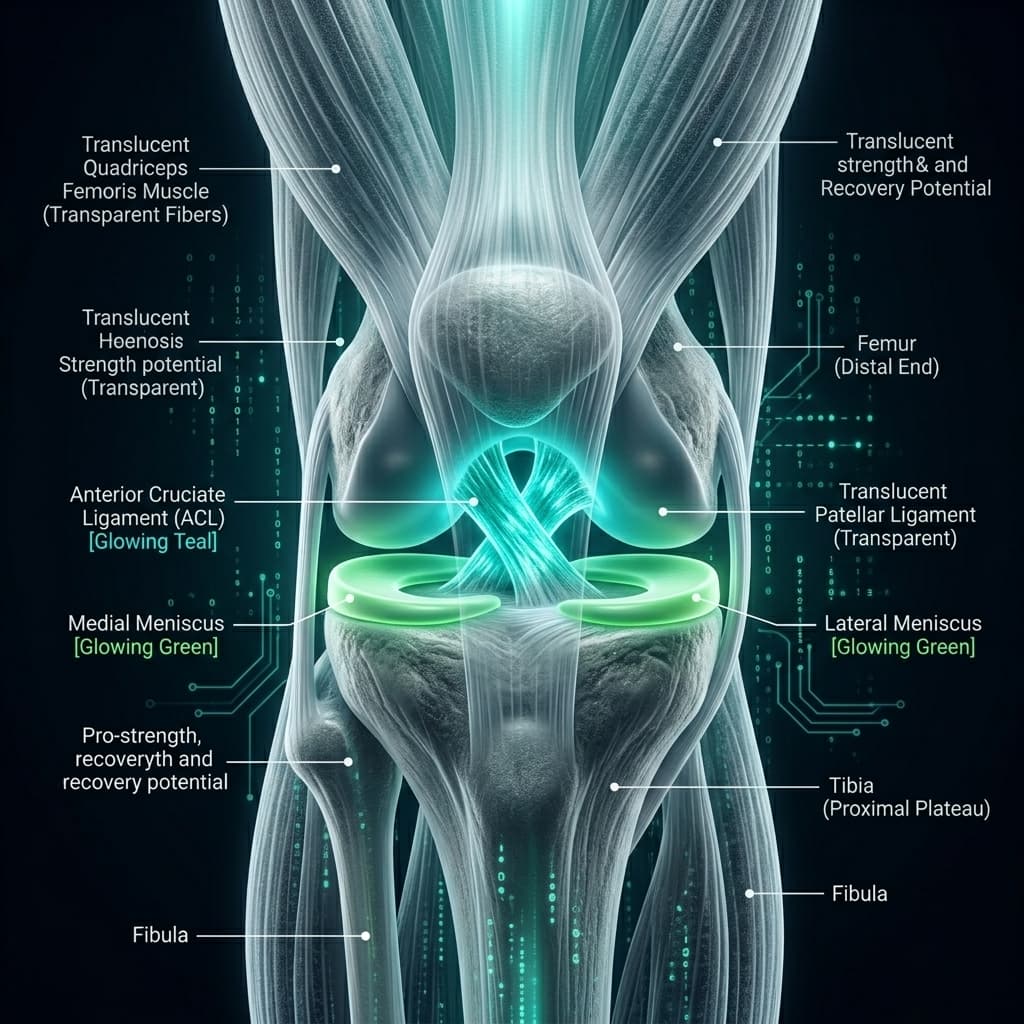
ACL Rehab Protocol: Step-by-Step Guide to Returning to Sports Safely
Recovering from an ACL tear or sports injury? Read our comprehensive, evidence-based sports physiotherapy guide to rebuild knee strength and agility without re-injury.
Elite Sports Recovery at Home: Cupping & Dry Needling in Hyderabad
Overtraining? Muscle spasms? Experience clinical-grade sports recovery including dry needling, cupping, and deep tissue release in the comfort of your home.
Badminton & Cricket Shoulder Injuries: Non-Surgical Rotator Cuff & Impingement Rehab
Overhead smash pain in badminton or bowling shoulder strain in cricket? Learn how sports science, rotator cuff strengthening, and dry needling fix shoulder pain without surgery.