Knee Osteoarthritis Treatment Without Surgery: A Physiotherapy Guide for Hyderabad

7+ Years Exp
Important Medical Disclaimer
The information provided in this article is for educational purposes and is quite generic. While general clinical guidelines are often helpful, they cannot replace a professional medical diagnosis. We strongly advise you to consult with a certified physiotherapist or doctor before attempting any home treatments or exercises described here.
Why Knee Pain is Epidemic in Hyderabad
Knee osteoarthritis (OA) is the most common joint disorder in India, affecting over 15% of adults above 45 years. In Hyderabad, a combination of genetic predisposition, lifestyle changes (sedentary desk jobs, weight gain), and the habit of sitting cross-legged on the floor accelerates cartilage wear in the knee joint.
The result: morning stiffness, pain when climbing stairs, a grinding or crunching sensation (crepitus), and visible swelling. Many patients are told surgery is the only option — but this is rarely true.
How Physiotherapy Treats Knee Osteoarthritis
Clinical evidence consistently shows that physiotherapy is as effective as surgery for mild-to-moderate knee OA (Arthroscopy: Journal of Arthroscopic & Related Surgery, 2020). At Athletlance, our protocol has 3 phases:
Phase 1: Pain & Inflammation Control (Weeks 1-2)
- IFT (Interferential Therapy): Electrical currents that reduce joint inflammation and nerve pain signals without medication.
- Manual Joint Mobilization: Gentle gliding of the knee joint to restore fluid circulation (synovial fluid) and reduce stiffness.
- RICE Protocol Guidance: Proper use of ice, compression, and limb elevation to control active swelling.
Phase 2: Strengthening the Knee's Shock Absorbers (Weeks 3-8)
The knee joint has no significant blood supply to the cartilage — it relies on muscle contractions to pump nutrients in. Strong muscles are literally the best medicine for OA.
- Quadriceps Strengthening: Straight leg raises, terminal knee extensions, and wall squats. A 30% increase in quad strength reduces knee OA pain by 40%.
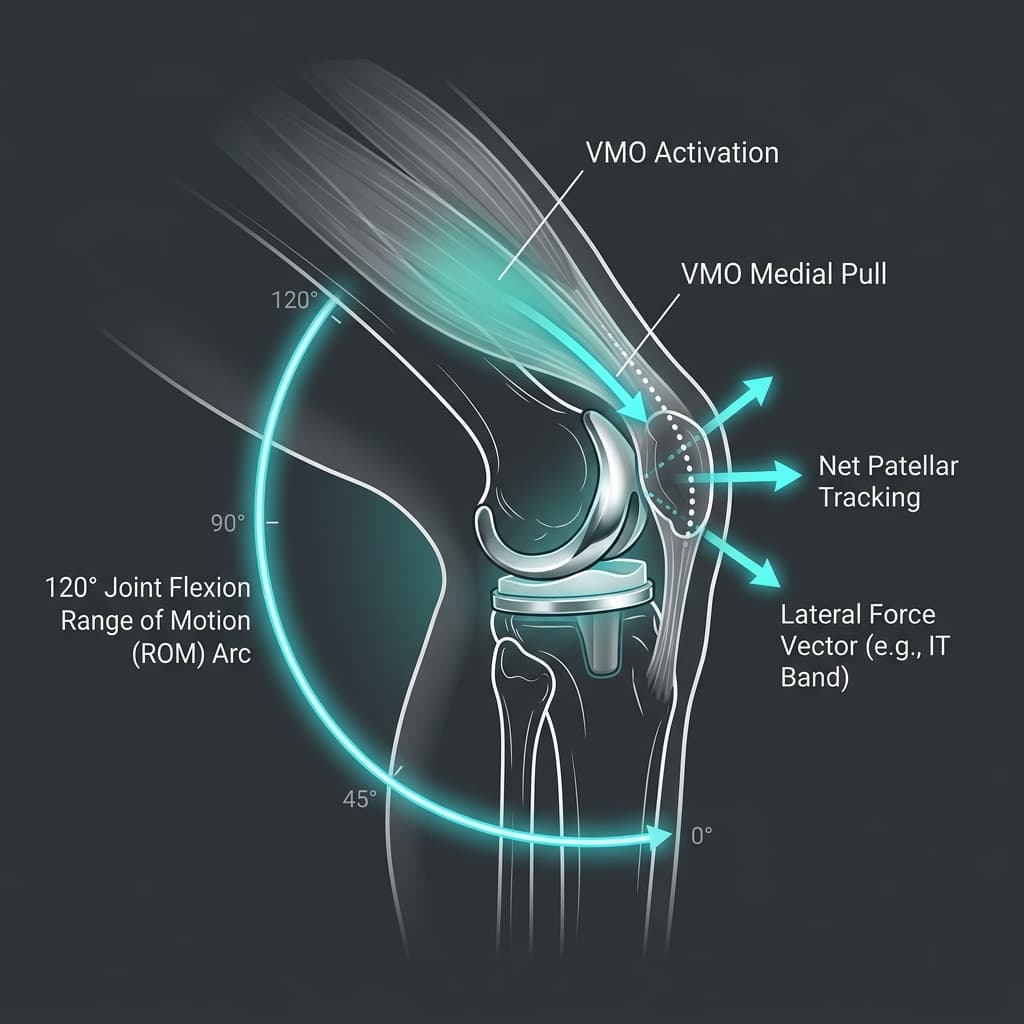
- VMO (Vastus Medialis Oblique) Isolation: Retraining the inner quad that protects the kneecap from maltracking.
- Hip & Glute Strengthening: Weak hips shift load to the knee. Clamshells, bridges, and side-lying leg raises are essential.
Phase 3: Gait Correction & Long-Term Management
- Gait analysis to identify overloading patterns (valgus collapse, toe-out walking).
- Footwear and insole advice to redistribute joint load.
- A home exercise maintenance program to sustain gains indefinitely.
When Is Knee Replacement Actually Necessary?
Physiotherapy first is always the right approach. A knee replacement is typically considered only when:
- X-ray confirms bone-on-bone contact (Grade 4 OA — no cartilage remaining).
- Pain is severe enough to prevent basic activities like sleeping or light walking.
- A structured 6-month physiotherapy program has failed to provide relief.
Our Miyapur clinic has helped hundreds of patients with Grade 2-3 knee OA return to active daily life without surgery. Book a knee assessment and find out your options.
Questions Answered In This Article
Yes. For mild to moderate knee osteoarthritis, physiotherapy using quadriceps strengthening, manual joint mobilization, and gait correction can significantly reduce pain and delay or avoid the need for knee replacement surgery.
Low-impact exercises like straight leg raises, seated knee extensions, swimming, and cycling are most effective. Avoid high-impact activities like running on hard surfaces which increase joint stress.
Most patients with mild-moderate knee OA see significant pain reduction within 8-12 sessions. A maintenance program of 2-3 sessions per month is recommended for long-term joint health.
Related Recovery & Rehab Guides
Avoiding Back Surgery: How Manual Physiotherapy Cures Sciatica & Slip Disc
Suffer from shooting leg pain or chronic lower back stiffness? Discover how advanced manual therapy mobilizations (Mulligan & Maitland) restore disc health without spinal surgery.
Total Knee Replacement Recovery: A Guide for Jubilee Hills Residents
Recovering from a TKR surgery? Discover why early, supervised home physiotherapy is crucial for restoring full knee bending and walking safely.

Frozen Shoulder (Adhesive Capsulitis): Non-Surgical 3-Stage Recovery Guide in Hyderabad
Severe shoulder stiffness and night pain? Learn how clinical Maitland mobilization, capsular release, and targeted home physiotherapy unfreeze the shoulder without painful surgery in Hyderabad.