Total Knee Replacement Recovery: A Guide for Jubilee Hills Residents

6+ Years Exp
Important Medical Disclaimer
The information provided in this article is for educational purposes and is quite generic. While general clinical guidelines are often helpful, they cannot replace a professional medical diagnosis. We strongly advise you to consult with a certified physiotherapist or doctor before attempting any home treatments or exercises described here.
The Importance of the First 6 Weeks
Total Knee Replacement (TKR) is a highly successful surgery, but the surgery itself is only half the battle. The rehabilitation you do in the first 6 weeks dictates the range of motion you will have for the rest of your life.
Why Home Visit Rehab is Essential Post-TKR
For elderly patients recovering from TKR in Jubilee Hills and Banjara Hills, traveling to a clinic is painful and increases the risk of falls or infection. Home visit physiotherapy allows the patient to recover in a safe, controlled environment.
Key Rehabilitation Milestones
Weeks 1-2: Controlling Swelling & Achieving Extension
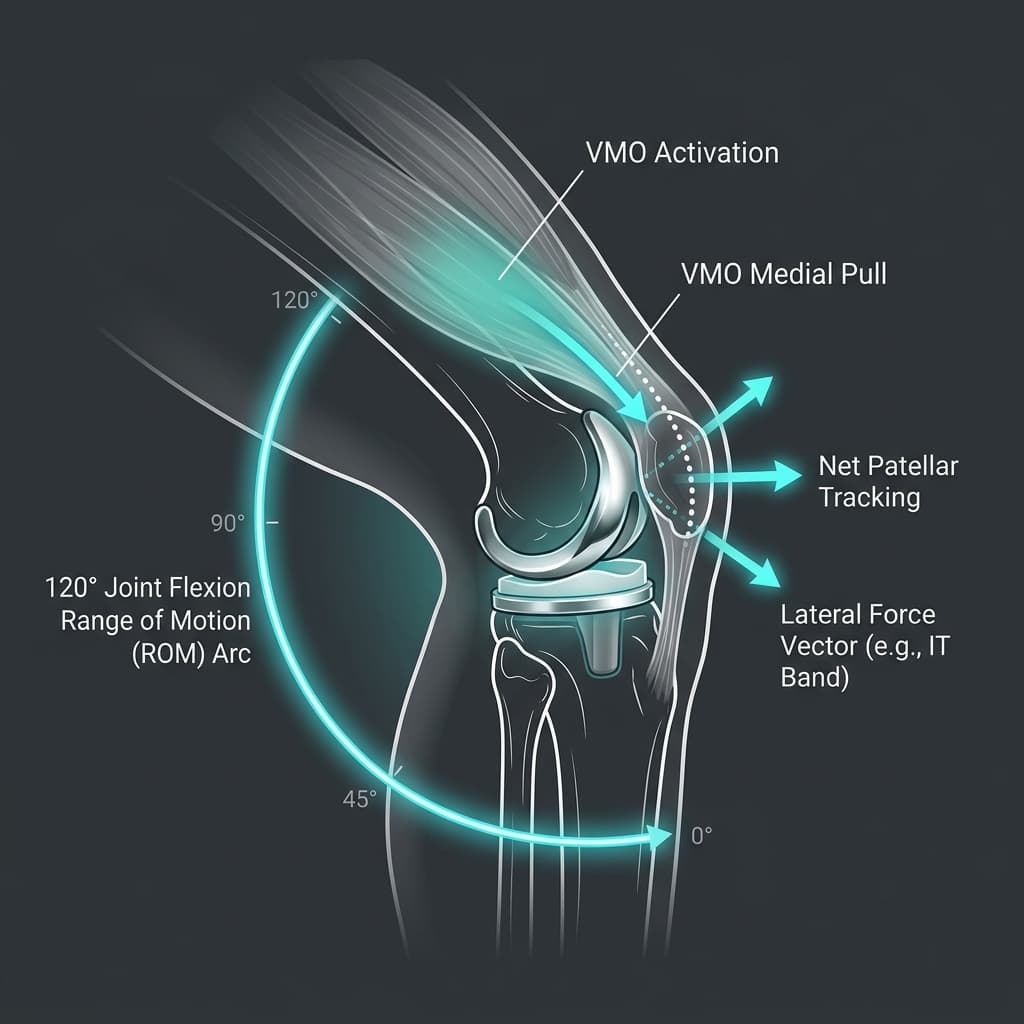
The immediate goal is to achieve 0 degrees of knee extension (a perfectly straight leg). We use icing protocols, ankle pumps, and gentle patellar mobilizations.
Weeks 3-6: Restoring Flexion & Walking
We aim for at least 110 degrees of knee flexion (bending). We transition the patient from a walker to a cane, focusing on a normal heel-to-toe gait pattern.
Weeks 7+: Strength & Independence
Advanced strengthening of the quadriceps and glutes to allow the patient to climb stairs and walk outdoors independently without walking aids.
Questions Answered In This Article
Physiotherapy is a natural, hands-on approach to healing that helps you live pain-free without relying heavily on medication or surgery. At Athletlance, we don't just treat the symptoms; we take the time to find the root cause of your pain—whether it's a pinched nerve, weak muscles, or stiff joints—so you can safely get back to doing what you love.
A standard session usually lasts between 45 to 60 minutes. We never want you to feel rushed, so this gives us plenty of time to carefully assess your progress, perform hands-on therapy, and guide you through your exercises at a pace that feels right for you.
Because every body heals differently, there is no one-size-fits-all answer. Some minor strains feel better in just 2 to 3 sessions, while post-surgery rehab or stroke recovery takes several weeks of consistent care. After your first assessment, we will give you a clear, honest timeline of what to expect for your specific journey.
Every patient's healing journey is unique. If you are in severe pain, we might suggest daily sessions for the first few days to bring you quick relief. For long-term rehab, 3 times a week is standard. During your first visit, we will sit down with you and design a recovery schedule that fits both your healing needs and your daily life.
Related Recovery & Rehab Guides
Parkinson's Disease: Physiotherapy for Gait, Balance & Fall Prevention
Is your loved one shuffling their feet or freezing mid-step? Discover how specialized Parkinson's physiotherapy using LSVT BIG and cueing strategies can dramatically reduce fall risk and improve mobility.

Post-CABG Cardiac Rehabilitation: Safe Chest Physio & Stamina Recovery at Home
Recovering from heart bypass surgery (CABG) or heart attack? Learn how certified cardiopulmonary physiotherapists restore lung capacity and stamina safely at home.

Painkillers (NSAIDs) vs Clinical Physiotherapy: An Honest Medical Comparison (Pros & Cons)
A truthful, balanced medical evaluation of pain medications versus physical therapy. We explore the essential benefits of acute pain relief, the real dangers of long-term dependency, the pros and limitations of physiotherapy, and how to safely bridge between them.