When Should You Start Physiotherapy? The 48-Hour Rule That Doctors Don't Mention

6+ Years Exp
Important Medical Disclaimer
The information provided in this article is for educational purposes and is quite generic. While general clinical guidelines are often helpful, they cannot replace a professional medical diagnosis. We strongly advise you to consult with a certified physiotherapist or doctor before attempting any home treatments or exercises described here.
The Critical Window of Healing: Why Waiting Weeks Harms Recovery
One of the most pervasive and damaging misconceptions in post-operative care is that patients should "rest completely for three to four weeks before beginning physiotherapy." Modern surgical rehabilitation protocols around the world have completely discarded this passive approach in favor of the 48-Hour Mobilization Rule.
What Happens During the First 48 Hours
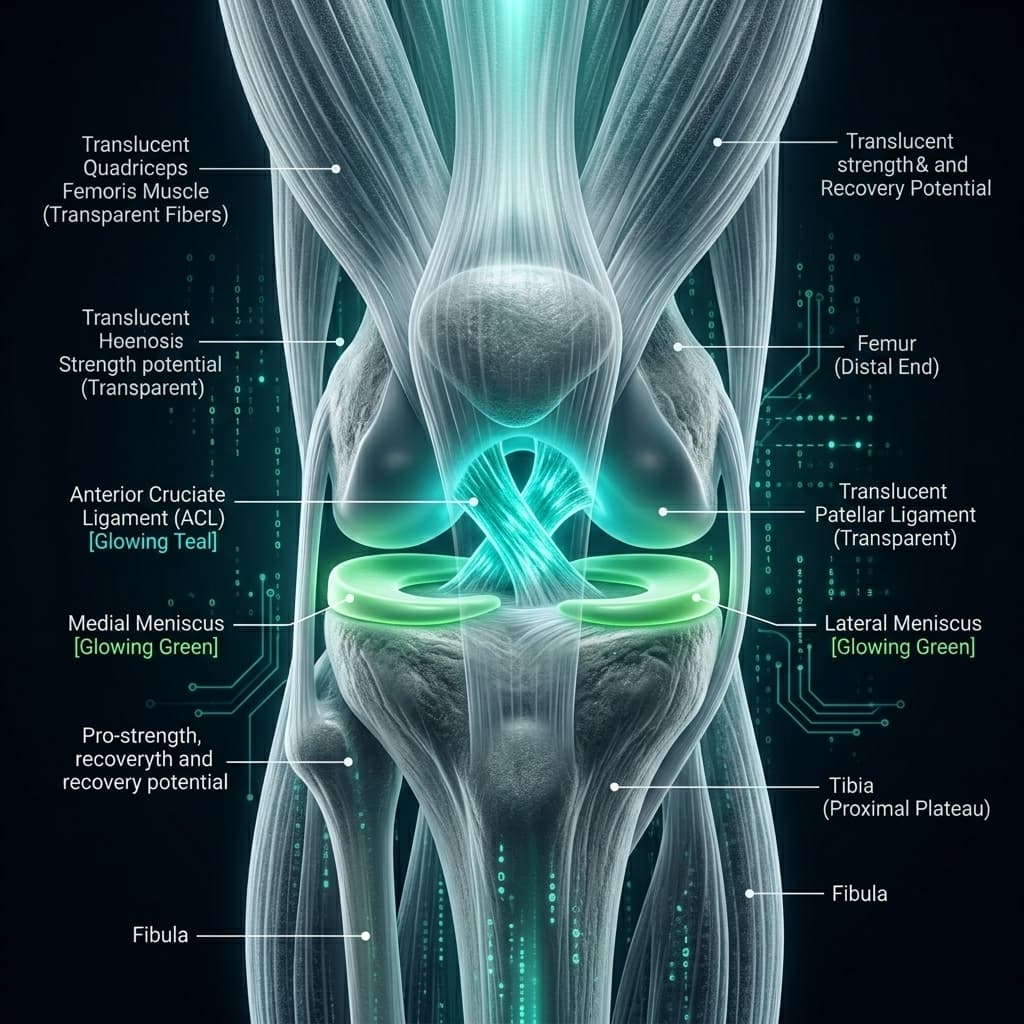
Within 48 hours of surgery or ligamentous trauma, your body deposits chaotic fibrin fibers across the joint capsule. Without controlled, guided mechanical stress, this fibrin matures into dense, unyielding scar tissue (arthrofibrosis). Furthermore, quadriceps motor firing declines by up to 60% within 72 hours of knee trauma due to arthrogenic muscle inhibition.
Clinical Timelines by Condition
- Total Knee Replacement (TKR): Bedside assisted passive flexion, gentle active ankle pumps, and assisted terminal knee extensions must commence on Post-Op Day 1 or 2 to achieve 90 degrees flexion by week two.
- Stroke & Paralysis: Neuroplastic cortical reorganization is at its highest amplitude in the first 72 hours. Bedside Neuro-Developmental Treatment (NDT/Bobath) prevents abnormal synergy patterns.
- Rotator Cuff Repair & Shoulder Surgery: Passive pendulum swings and scapular stabilization begin early to prevent the joint from freezing solid.
- Fracture Cast Removal: On the very day the cast is cut off, joint mobilization and lymphatic drainage must start to reverse contractures.
"Early physiotherapy does not mean aggressive painful pulling. It means gentle, calibrated circulatory loading that prevents joints from freezing." — Dr. B. Gowthami (PT)
Condition Overview
Common Symptoms
- Severe joint stiffness and swelling 3 days after orthopedic surgery
- Muscle atrophy and quadriceps shutoff following knee arthroscopy
- Venous pooling and sluggish circulation in lower extremities
- Kinesiophobia (fear of moving injured limb)
Why It Occurs (Causes)
- Outdated advice recommending prolonged complete bed rest
- Fibrin cross-linking and arthrofibrosis in healing surgical capsules
- Reflex arthrogenic muscle inhibition
- Delayed referral from surgical discharge desks
How To Avoid It (Prevention)
- Book home visit physiotherapy within 24 to 48 hours of discharge
- Perform gentle passive range of motion and isometric co-contractions
- Engage Active Cycle of Breathing Techniques (ACBT) to clear post-anesthesia secretions
- Use elevation and compression to prevent venous stasis
Questions Answered In This Article
Physiotherapy is a natural, hands-on approach to healing that helps you live pain-free without relying heavily on medication or surgery. At Athletlance, we don't just treat the symptoms; we take the time to find the root cause of your pain—whether it's a pinched nerve, weak muscles, or stiff joints—so you can safely get back to doing what you love.
A standard session usually lasts between 45 to 60 minutes. We never want you to feel rushed, so this gives us plenty of time to carefully assess your progress, perform hands-on therapy, and guide you through your exercises at a pace that feels right for you.
Because every body heals differently, there is no one-size-fits-all answer. Some minor strains feel better in just 2 to 3 sessions, while post-surgery rehab or stroke recovery takes several weeks of consistent care. After your first assessment, we will give you a clear, honest timeline of what to expect for your specific journey.
Every patient's healing journey is unique. If you are in severe pain, we might suggest daily sessions for the first few days to bring you quick relief. For long-term rehab, 3 times a week is standard. During your first visit, we will sit down with you and design a recovery schedule that fits both your healing needs and your daily life.
Related Recovery & Rehab Guides
Plantar Fasciitis & Heel Pain: The Biomechanical Wiki Guide to the Windlass Mechanism, Rathleff Protocol & Permanent Relief
Sharp stabbing heel pain during your very first morning steps? Explore the biomechanics of the Windlass mechanism, Achilles-fascia tensile load, the Rathleff high-load strength protocol, and custom orthotics in Hyderabad.

Female Physiotherapist Home Visit in Hyderabad: Private, Professional, Certified
Need a female physiotherapist at home in Hyderabad? Athletlance provides experienced women physio specialists for postpartum, pelvic floor, and general rehabilitation with complete privacy.
Sciatica Flare-Up at Work? Sitting vs Standing Desk — A Physiotherapist's Verdict
Neither sitting all day nor standing all day cures sciatica. The true answer is dynamic positional variation. Here is a workstation guide tailored for IT professionals dealing with active nerve pain.