Plantar Fasciitis: Why Your First Step Hurts & How to Fix It Permanently

7+ Years Exp
Important Medical Disclaimer
The information provided in this article is for educational purposes and is quite generic. While general clinical guidelines are often helpful, they cannot replace a professional medical diagnosis. We strongly advise you to consult with a certified physiotherapist or doctor before attempting any home treatments or exercises described here.
The Signature Pain of Plantar Fasciitis
If you are putting your foot down first thing in the morning and feeling a sharp, stabbing pain in the heel that gradually eases after walking around for a few minutes — you almost certainly have Plantar Fasciitis. It is the most common cause of heel pain and affects both active runners and sedentary office workers.
The plantar fascia is a thick band of connective tissue that runs along the bottom of your foot, connecting the heel bone (calcaneus) to the toes. During sleep, it tightens. The first few steps stretch it suddenly, causing the characteristic "first-step pain".
Who Gets It in Hyderabad?
- IT professionals who commute long distances on hard floors.
- People who have recently started walking or running programmes.
- Patients with flat feet (overpronation) or very high arches.
- People who are overweight, as extra load is placed on the heel.
- Middle-aged adults (40-60 years) when the fat pad under the heel naturally thins.
The 5-Minute Morning Routine (Do Before Your First Step)
Step 1: Seated Plantar Fascia Stretch (2 minutes)
Before putting your foot on the floor:
- Sit on the edge of the bed. Cross the affected foot over the other knee.
- Grip the base of your toes and gently pull them back toward your shin.
- Hold for 30 seconds. Repeat 3 times. You should feel a strong stretch in the arch.
Step 2: Calf Stretch Against the Wall (2 minutes)
- Place both hands on the wall. Step the affected foot back.
- Keep the back knee straight and heel on the floor. Lean forward until you feel a deep stretch in the calf and Achilles.
- Hold 30 seconds x 3 sets. Tight calves are a primary driver of plantar fasciitis.
Step 3: Frozen Water Bottle Rolling (1 minute)
- Freeze a water bottle overnight. In the morning, roll the arch of the affected foot over it for 1 minute.
- This combines cryotherapy (reduces inflammation) with fascial tissue release.
Advanced Physiotherapy Treatment
If the morning routine doesn't resolve your pain within 2-3 weeks, you need professional treatment:
- Radial Shockwave Therapy: High-energy sound waves that break up calcifications and stimulate healing in chronic cases.
- Low-Dye Taping: Athletic taping that offloads the plantar fascia, providing immediate pain relief.
- Custom Orthotic Assessment: Foot arch supports prescribed based on your specific gait pattern.
If heel pain is stopping you from walking comfortably, book an assessment at our Miyapur clinic or schedule a home visit. Most plantar fasciitis cases resolve completely within 6-8 weeks of targeted physiotherapy.
Related Recovery & Rehab Guides
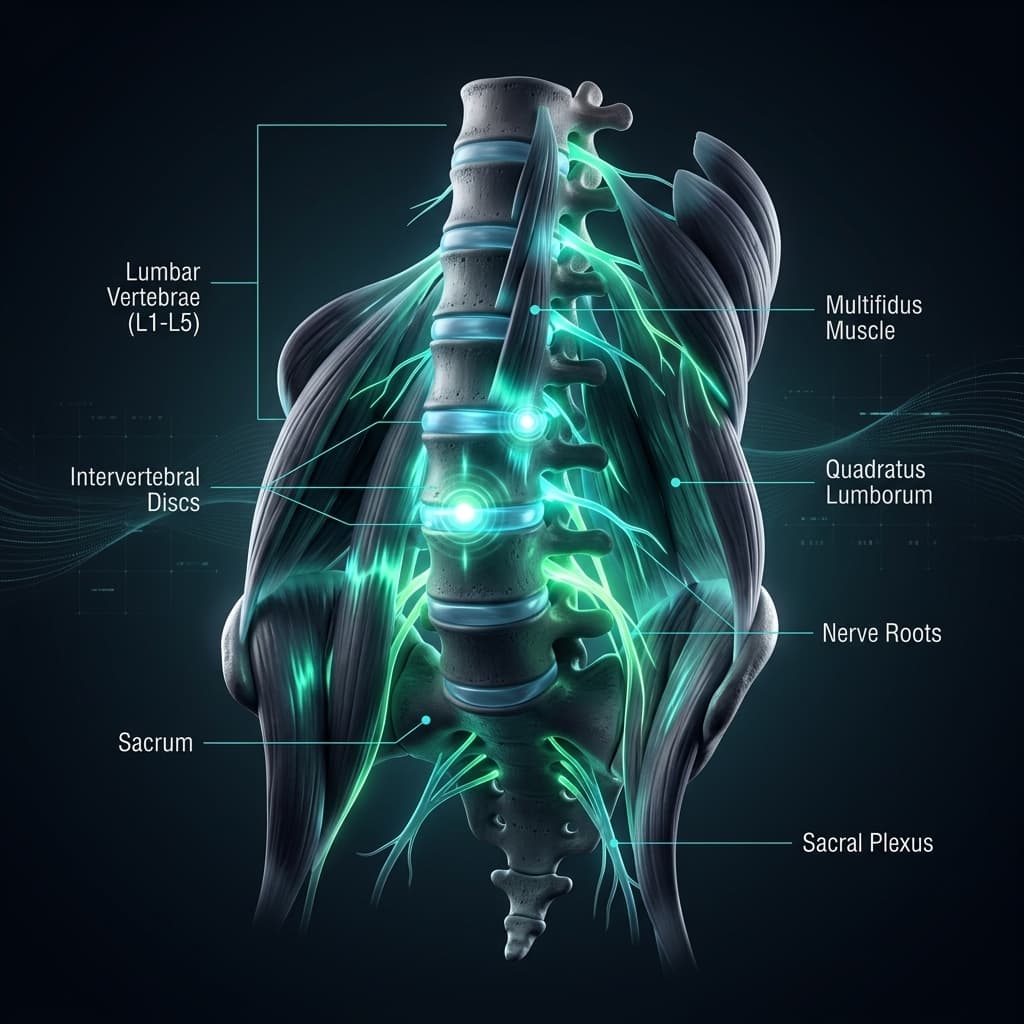
Avoiding Back Surgery: How Manual Physiotherapy Cures Sciatica & Slip Disc
Suffer from shooting leg pain or chronic lower back stiffness? Discover how advanced manual therapy mobilizations (Mulligan & Maitland) restore disc health without spinal surgery.
Total Knee Replacement Recovery: A Guide for Jubilee Hills Residents
Recovering from a TKR surgery? Discover why early, supervised home physiotherapy is crucial for restoring full knee bending and walking safely.

Frozen Shoulder (Adhesive Capsulitis): Non-Surgical 3-Stage Recovery Guide in Hyderabad
Severe shoulder stiffness and night pain? Learn how clinical Maitland mobilization, capsular release, and targeted home physiotherapy unfreeze the shoulder without painful surgery in Hyderabad.