Frozen Shoulder Treatment: Rapid Recovery Protocol Without Surgery

7+ Years Exp
Important Medical Disclaimer
The information provided in this article is for educational purposes and is quite generic. While general clinical guidelines are often helpful, they cannot replace a professional medical diagnosis. We strongly advise you to consult with a certified physiotherapist or doctor before attempting any home treatments or exercises described here.
What is a Frozen Shoulder?
Adhesive Capsulitis, commonly known as Frozen Shoulder, occurs when the strong connective tissue surrounding your shoulder joint becomes inflamed, thickens, and tightens. This condition severely restricts movement, making everyday tasks like dressing or reaching for items incredibly painful.
The Three Stages of Frozen Shoulder
Understanding where you are in the condition dictates the treatment:
- Freezing Stage: High pain, losing range of motion (lasts 6 weeks to 9 months).
- Frozen Stage: Pain may lessen, but stiffness is severe (lasts 4 to 6 months).
- Thawing Stage: Movement slowly returns (lasts 6 months to 2 years).
Accelerating the Thawing Process
Without intervention, a frozen shoulder can take years to resolve. At Athletlance, we use a combination of therapies to rapidly break up the adhesive scar tissue and restore the joint capsule's elasticity:
- Aggressive Joint Mobilization (Maitland Technique): Precise manual pressure to stretch the tight capsule safely.
- Ultrasound Therapy: Deep tissue heating to increase blood flow and relax the surrounding rotator cuff muscles.
- Scapular Stabilization Exercises: Ensuring the shoulder blade moves correctly to take pressure off the main joint.
If you are experiencing shoulder stiffness that keeps you awake at night, contact our specialists in Miyapur or request a home visit to begin your rapid recovery protocol.
Related Recovery & Rehab Guides
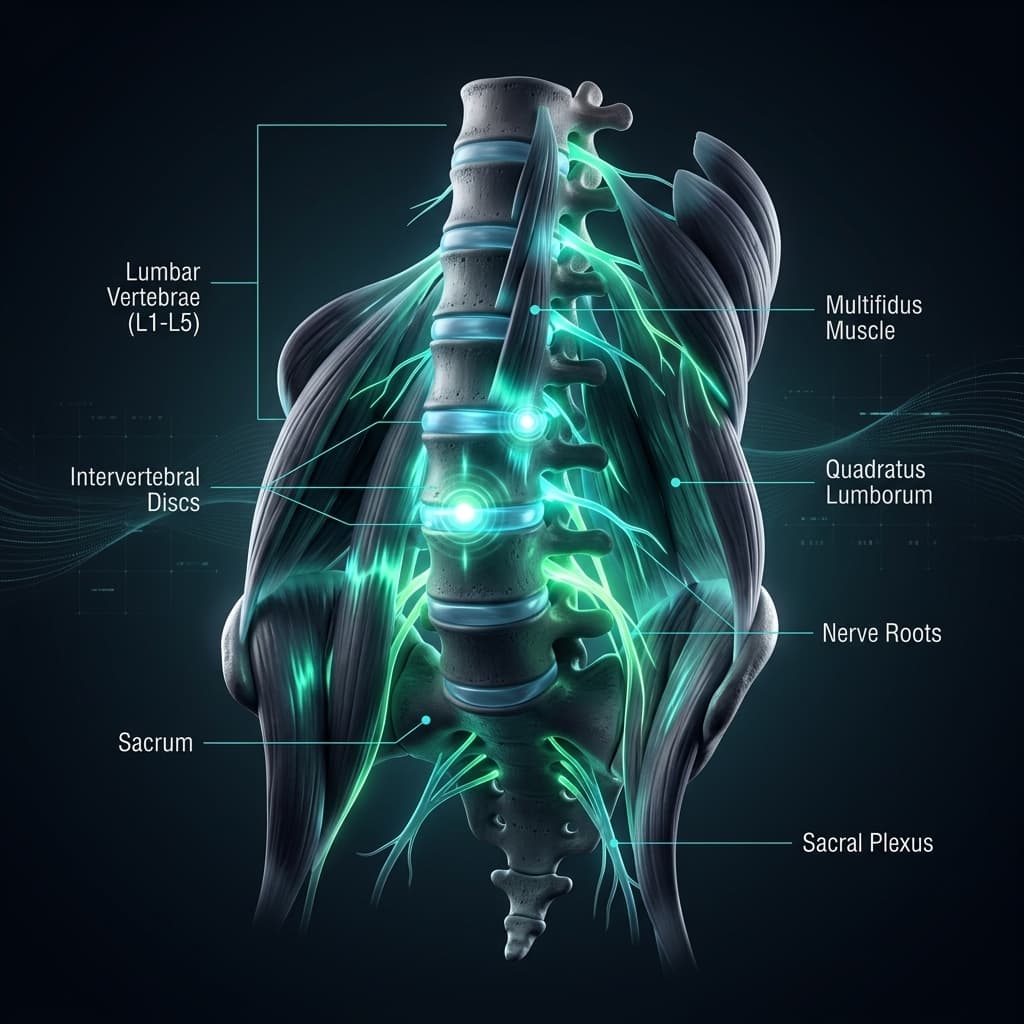
Avoiding Back Surgery: How Manual Physiotherapy Cures Sciatica & Slip Disc
Suffer from shooting leg pain or chronic lower back stiffness? Discover how advanced manual therapy mobilizations (Mulligan & Maitland) restore disc health without spinal surgery.
Total Knee Replacement Recovery: A Guide for Jubilee Hills Residents
Recovering from a TKR surgery? Discover why early, supervised home physiotherapy is crucial for restoring full knee bending and walking safely.

Frozen Shoulder (Adhesive Capsulitis): Non-Surgical 3-Stage Recovery Guide in Hyderabad
Severe shoulder stiffness and night pain? Learn how clinical Maitland mobilization, capsular release, and targeted home physiotherapy unfreeze the shoulder without painful surgery in Hyderabad.