Knee Osteoarthritis: 5 Signs You DON'T Need a Knee Replacement Yet

6+ Years Exp
Important Medical Disclaimer
The information provided in this article is for educational purposes and is quite generic. While general clinical guidelines are often helpful, they cannot replace a professional medical diagnosis. We strongly advise you to consult with a certified physiotherapist or doctor before attempting any home treatments or exercises described here.
Knee OA in Hyderabad: A Growing Crisis
Knee osteoarthritis (OA) affects an estimated 15 million Indians, and in a city like Hyderabad with its mix of sedentary IT professionals and active elderly populations, it has become one of the most common reasons for physiotherapy referrals. The typical journey looks like this: a patient develops knee pain, gets an X-ray that shows "Grade 3 OA", and an orthopaedic surgeon immediately mentions knee replacement.
But here is the clinical truth: X-ray findings of OA severity have a poor correlation with pain levels. Many patients with severe Grade 3-4 OA on X-ray live pain-free, while others with mild Grade 2 OA are debilitated. The X-ray is not the full story.
5 Signs You CAN Manage Your Knee Without Surgery
- You can still walk 500+ metres: Preserved walking capacity indicates that quadriceps muscle function is sufficient for conservative management.
- Your pain responds to anti-inflammatory medications: If NSAIDs reduce your pain, it means the joint still responds to treatment and isn't in "end-stage" failure.
- You haven't had an intra-articular injection: Steroid or hyaluronic acid injections combined with physiotherapy often provide 6-12 months of excellent relief.
- Your BMI is above 27: Weight loss of just 5kg reduces knee joint load by up to 20kg per step. Diet and physiotherapy together are highly effective.
- You are below 65 years old: Knee replacement implants last 15-20 years. Doing one at 55 likely means a revision surgery at 70-75, which carries more risk.
Our Non-Surgical Knee OA Protocol
1. Quadriceps Strengthening (The Most Powerful Tool)
The quadriceps muscle is the primary "shock absorber" of the knee. Research consistently shows that weak quadriceps lead to faster OA progression. We target this with:
- Straight leg raises (0 load on the joint).
- Shallow squats (0-30 degree range, pain-free).
- Leg press on stable surface.
2. Hydrotherapy Simulation
We simulate the low-impact benefits of water exercise using resistance bands to create near-weightless strengthening conditions.
3. Patellar Taping & Bracing
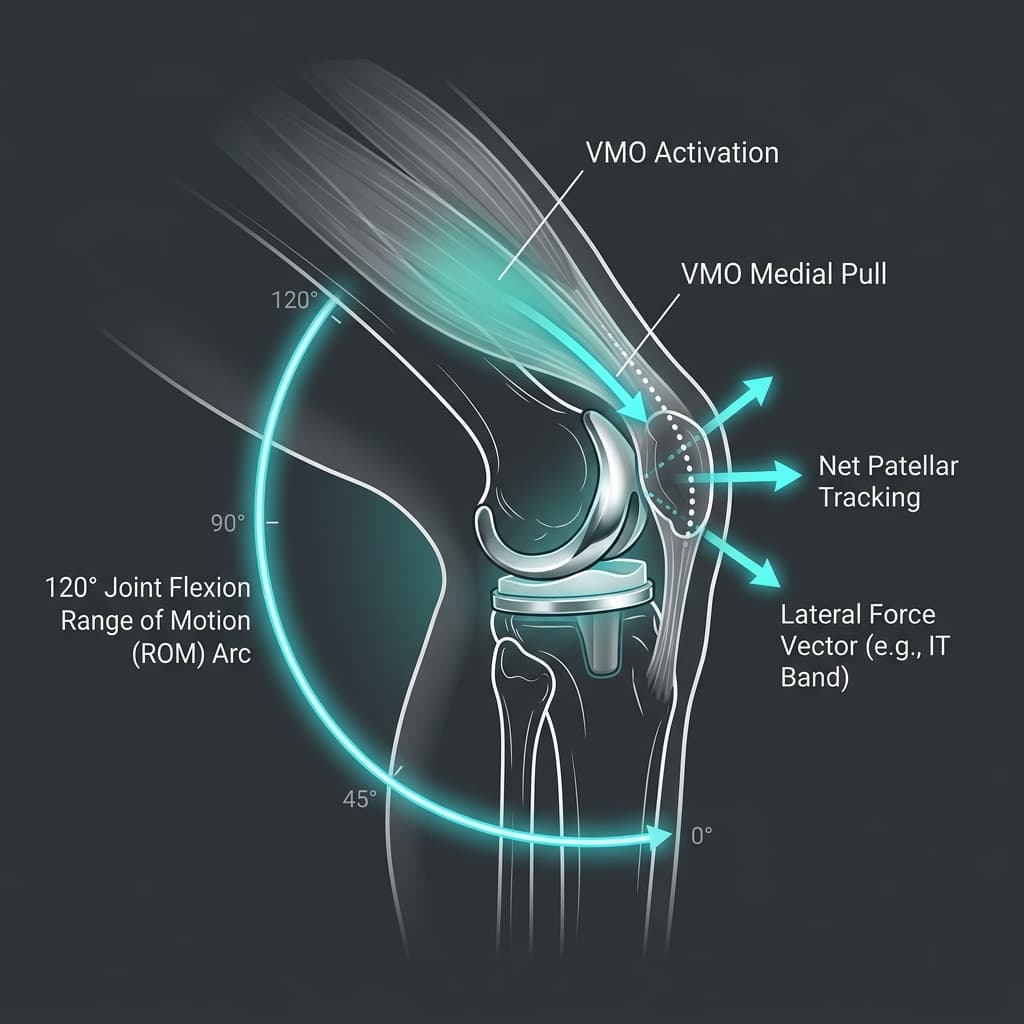
McConnell taping technique to realign the kneecap and reduce anterior knee pain during daily activities.
4. Pain Modulation with IFT
Interferential Current Therapy (IFT) at 80-120 Hz significantly reduces knee OA pain by blocking pain signals at the spinal cord level.
If you have been told you need a knee replacement, get a second opinion from a physiotherapy specialist. Book your Knee OA assessment at our Miyapur or Banjara Hills clinic to understand your full range of options before making an irreversible surgical decision.
Related Recovery & Rehab Guides
Avoiding Back Surgery: How Manual Physiotherapy Cures Sciatica & Slip Disc
Suffer from shooting leg pain or chronic lower back stiffness? Discover how advanced manual therapy mobilizations (Mulligan & Maitland) restore disc health without spinal surgery.

Total Knee Replacement Recovery: A Guide for Jubilee Hills Residents
Recovering from a TKR surgery? Discover why early, supervised home physiotherapy is crucial for restoring full knee bending and walking safely.
Frozen Shoulder (Adhesive Capsulitis): Non-Surgical 3-Stage Recovery Guide in Hyderabad
Severe shoulder stiffness and night pain? Learn how clinical Maitland mobilization, capsular release, and targeted home physiotherapy unfreeze the shoulder without painful surgery in Hyderabad.