Diabetic? Your Blood Sugar Is Secretly Destroying Your Joints and Shoulders

6+ Years Exp
Important Medical Disclaimer
The information provided in this article is for educational purposes and is quite generic. While general clinical guidelines are often helpful, they cannot replace a professional medical diagnosis. We strongly advise you to consult with a certified physiotherapist or doctor before attempting any home treatments or exercises described here.
The Biochemical Link: How Glucose Stiffens Collagen
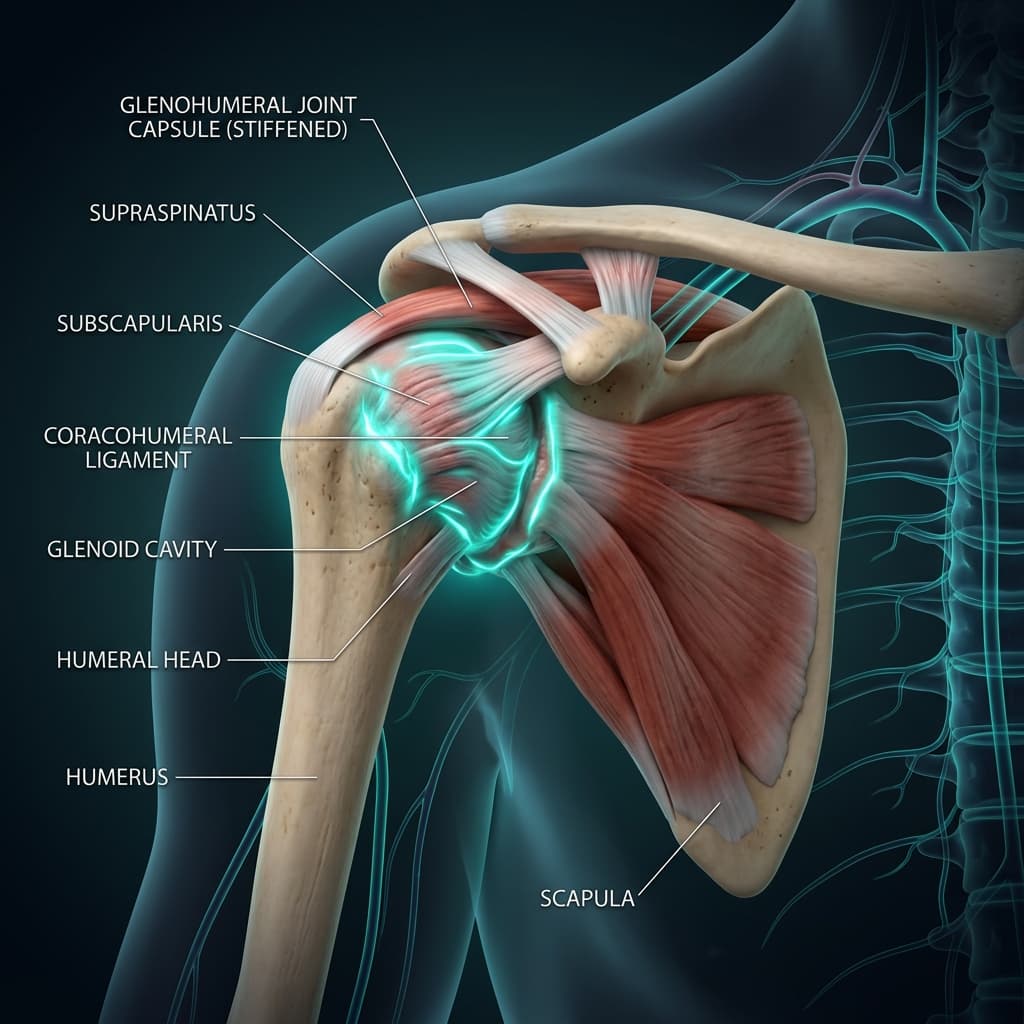
Hyderabad is often recognized as one of India's diabetic capitals. While most people are familiar with diabetes-related risks to eyes, kidneys, and the heart, few realize that individuals with diabetes are up to 5 times more likely to develop frozen shoulder (adhesive capsulitis) and severe joint contractures.
The Science of Advanced Glycation End-Products (AGEs)
When blood glucose levels remain chronically elevated, excess sugar molecules bind directly to collagen proteins in your ligaments, tendons, and joint capsules. This biochemical reaction forms Advanced Glycation End-products (AGEs). These molecules act like chemical glue, cross-linking collagen fibers so they can no longer glide smoothly. The shoulder capsule becomes thick, leathery, and contracted.
Why Standard Treatments Often Backfire in Diabetics
Doctors frequently prescribe corticosteroid injections for acute frozen shoulder. However, in diabetic patients, local steroid injections can cause severe blood sugar spikes lasting several days while simultaneously weakening tendon structural integrity. Evidence-based manual physiotherapy, combined with gentle passive joint distraction and home stretching routines, expands the joint capsule safely without interfering with glycemic control.
Condition Overview
Common Symptoms
- Inability to lift your arm to comb hair or reach a high kitchen shelf
- Severe nocturnal shoulder ache that prevents sleeping on either side
- Thickened cords in the palm of your hand (Dupuytren contracture)
- Stiffness and trigger finger locking in the morning
Why It Occurs (Causes)
- Advanced Glycation End-products (AGEs) cross-linking collagen fibers
- Microvascular capillary damage starving joint capsules of oxygen
- Prolonged elevated blood glucose levels above 140 mg/dL
How To Avoid It (Prevention)
- Maintain tight glycemic control with an HbA1c below 6.8%
- Perform daily multi-plane shoulder range of motion stretches
- Seek manual joint mobilization at the very first sign of arm stiffness
- Avoid cortisone injections that can cause dangerous spikes in blood sugar
Questions Answered In This Article
Physiotherapy is a natural, hands-on approach to healing that helps you live pain-free without relying heavily on medication or surgery. At Athletlance, we don't just treat the symptoms; we take the time to find the root cause of your pain—whether it's a pinched nerve, weak muscles, or stiff joints—so you can safely get back to doing what you love.
A standard session usually lasts between 45 to 60 minutes. We never want you to feel rushed, so this gives us plenty of time to carefully assess your progress, perform hands-on therapy, and guide you through your exercises at a pace that feels right for you.
Because every body heals differently, there is no one-size-fits-all answer. Some minor strains feel better in just 2 to 3 sessions, while post-surgery rehab or stroke recovery takes several weeks of consistent care. After your first assessment, we will give you a clear, honest timeline of what to expect for your specific journey.
Every patient's healing journey is unique. If you are in severe pain, we might suggest daily sessions for the first few days to bring you quick relief. For long-term rehab, 3 times a week is standard. During your first visit, we will sit down with you and design a recovery schedule that fits both your healing needs and your daily life.
Related Recovery & Rehab Guides
Senior Safety: Preventing Falls with Physiotherapy in Secunderabad
Falls are the leading cause of injury in seniors. Learn how targeted balance training and home safety assessments can keep your elderly loved ones safe.

Elite Sports Recovery at Home: Cupping & Dry Needling in Hyderabad
Overtraining? Muscle spasms? Experience clinical-grade sports recovery including dry needling, cupping, and deep tissue release in the comfort of your home.
Your MRI Shows a 'Bulging Disc' — Here's Why That's Probably Not Your Problem
Over 50% of people with ZERO back pain have bulging discs on their MRI scans. Learn why imaging scans frequently mislead patients into unnecessary surgery, and what clinical assessment actually matters.